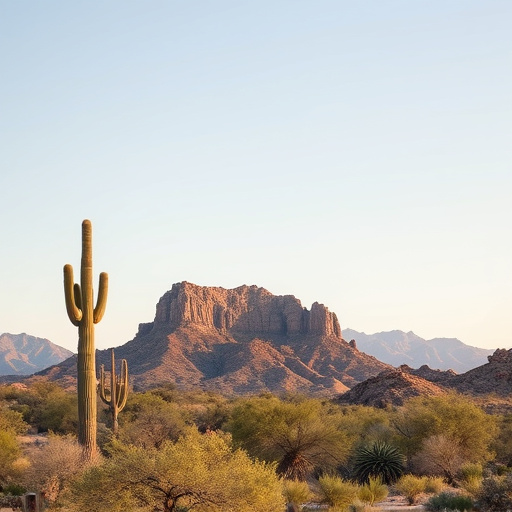
Arizona City presents a captivating blend of natural wonders accessible to all, featuring diverse ecosystems, iconic landmarks like Pinnacle Peak, and extensive hiking trails showcasing unique rock formations reflecting its geological history. Educational programs highlight the region's natural history, while the city offers a balance between urban life and breathtaking desert scenery, including the Superstition Mountains, Red Mountain Open Space Park, and scenic byways, providing unforgettable experiences of what to see in Arizona City naturally.
The rugged landscapes of Arizona offer a captivating blend of majestic mountains and diverse terrain, making it a paradise for outdoor enthusiasts and nature lovers. Among these wonders, the rock formations and mesas near Arizona City stand out as iconic landmarks that draw visitors from around the world. This article serves as your comprehensive guide to navigating and appreciating these natural wonders, providing insights into what to see in Arizona City and beyond. We’ll delve into the geological history, offer practical tips for exploration, and highlight hidden gems that will enrich your experience of this breathtaking region.
- Discovering Arizona City's Natural Wonders: A Gateway to Outdoor Exploration
- Navigating the Rock Formations: Understanding Arizona City's Geologic Features
- Exploring Mesa Top Attractions: What to See in Arizona City's Iconic Landscapes
Discovering Arizona City's Natural Wonders: A Gateway to Outdoor Exploration
Arizona City, nestled amidst the vibrant desert landscape, offers a treasure trove of natural wonders waiting to be explored. For those seeking an authentic connection with the outdoors, this urban oasis provides a gateway to diverse and breathtaking experiences. From majestic red rock formations to serene desert landscapes, what to see in Arizona City naturally presents itself as both captivating and accessible.
One of the most iconic arizona city desert sights is the iconic Pinnacle Peak, towering over the surrounding landscape like a sentinel watching over the region. Hiking trails winding through the peak’s base offer various difficulty levels, catering to seasoned adventurers and novice explorers alike. The challenging yet rewarding trek to the summit unveils panoramic vistas that leave visitors in awe of the Earth’s raw beauty. During cooler months, the peak transforms into a winter wonderland, providing opportunities for snowshoeing and cross-country skiing amidst the stark contrast of crimson rocks and white pow.
Another standout feature is the vast network of trails crisscrossing the city’s scenic open spaces. These paths serve as both arteries for outdoor recreation and veins connecting diverse ecosystems within close proximity. Whether it’s a leisurely stroll through the cacti-dotted plains or a vigorous ride on mountain bikes along rugged terrain, these trails accommodate various interests and skill levels. For wildlife enthusiasts, Arizona City offers a chance to observe desert species in their natural habitats, from the elusive pronghorn antelope to the vibrant array of bird life flitting among the saguaro cacti.
To fully appreciate what to see in Arizona City naturally, visitors should consider planning their excursions with an understanding of the region’s unique climate and environmental dynamics. The desert’s dry heat necessitates proper hydration and protective gear during outdoor activities. Local organizations and parks often host educational programs that delve into the area’s geology, ecology, and conservation efforts, providing valuable insights for those looking to immerse themselves in the natural wonders surrounding Arizona City.
Navigating the Rock Formations: Understanding Arizona City's Geologic Features
Navigating the Rock Formations: Understanding Arizona City’s Geologic Features
Arizona City, nestled amidst the stunning desert landscapes of southern Arizona, is a geological marvel that offers visitors an unparalleled opportunity to explore diverse rock formations and breathtaking desert sights. The area’s unique history and dynamic geology have shaped its topography, creating a landscape that ranges from towering mesas to intricate rock spires. Understanding these geologic features not only enriches the visitor experience but also highlights the city’s deep connection to its natural environment.
The rock formations in Arizona City are largely attributed to millions of years of tectonic activity and erosion processes. The region lies within the Sonoran Desert, characterized by hot, dry summers and mild winters. Over time, this climate has contributed to the formation of distinctive desert landscapes, including vast sand dunes, rugged mountains, and the iconic sandstone cliffs that line the horizon. One of the most striking examples is the Javelina Peaks, a series of steep-sided mesas that pierce the sky, providing both breathtaking vistas and challenging hiking trails for those seeking adventure.
Exploring these natural wonders requires a keen awareness of the terrain. Visitors can expect to encounter diverse rock types, from sedimentary sandstone to igneous basalt. The city’s numerous hiking trails wind through these formations, offering opportunities to observe up-close the intricate patterns and textures created by nature over eons. For instance, the popular West Fork Trail meanders through a narrow canyon carved into red rock, showcasing the power of water erosion. Understanding what to see in Arizona City naturally involves recognizing these geological processes at play, from the slow but steady work of wind and water to the dramatic effects of volcanic activity long past.
Additionally, Arizona City’s geographic position has made it susceptible to seismic activity due to its proximity to active fault lines. These events have left their mark on the landscape, contributing to the formation of unique geological features like fractures, faults, and even small volcanic craters. By navigating these rock formations, visitors not only enjoy the aesthetic beauty but also gain a deeper appreciation for the dynamic nature of Arizona City’s desert sights, making each visit an educational and memorable experience.
Exploring Mesa Top Attractions: What to See in Arizona City's Iconic Landscapes
Mesa, Arizona, is a city where desert landscapes meet vibrant urban life, offering visitors an array of unique experiences. Beyond its bustling downtown and cultural attractions, Mesa stands out for its remarkable natural beauty, with iconic formations that provide a glimpse into the area’s geological history. For those seeking to explore Mesa top attractions, particularly the city’s desert sights, there’s no shortage of options. The Superstition Mountains, towering peaks shrouded in mystery, are a must-visit. Their rugged terrain and lore of lost miners make them a captivating destination for outdoor enthusiasts and history buffs alike.
One of the best ways to experience these natural wonders is through hiking trails that wind through red rock canyons and alongside dramatic cliff faces. The Flatiron Trail, for example, offers panoramic views of the Superstition Valley, showcasing the area’s stark beauty and providing a sense of scale for the surrounding desert landscapes. For a more leisurely experience, drive along Apache Junction, where scenic byways offer opportunities to stop and admire the diverse flora and fauna that thrive in this arid environment.
Beyond the Superstition Mountains, Mesa boasts other notable desert sights. The Red Mountain Open Space Park is a haven for rock climbers and nature enthusiasts alike, with its striking red sandstone formations and rich biodiversity. This park also provides a peaceful escape from the city, allowing visitors to immerse themselves in the tranquility of the Arizona desert. For those interested in a more structured exploration, guided tours are available, offering insights into the region’s geology, flora, and fauna.
In essence, what to see in Arizona City extends far beyond its urban offerings. From majestic mountains to vibrant open spaces, Mesa presents a captivating tapestry of natural wonders that leave visitors with unforgettable experiences. Whether exploring on foot or by vehicle, these desert sights offer a profound connection to the region’s unique character and geological history.